Navratri is often associated with colourful Garba nights, elaborate celebrations and dressing up for an evening out. But what if you don’t have the time for all that?
Or perhaps you simply don’t want to spend a lot on tickets, outfits and nights out. That doesn’t mean you have to miss out on the festive spirit.
Celebrating Navratri at home can be just as enjoyable, whether you want to keep things simple, celebrate on a budget or simply prefer a quieter way to observe the festival.
From creating a small pooja space and cooking something special to dressing in Navratri colours and having your own Garba night, there are plenty of ways to make the nine nights feel festive.
Here are nine simple ideas to help you celebrate Navratri at home without turning the festival into another expensive or time-consuming commitment.
Create a Meaningful Pooja Space
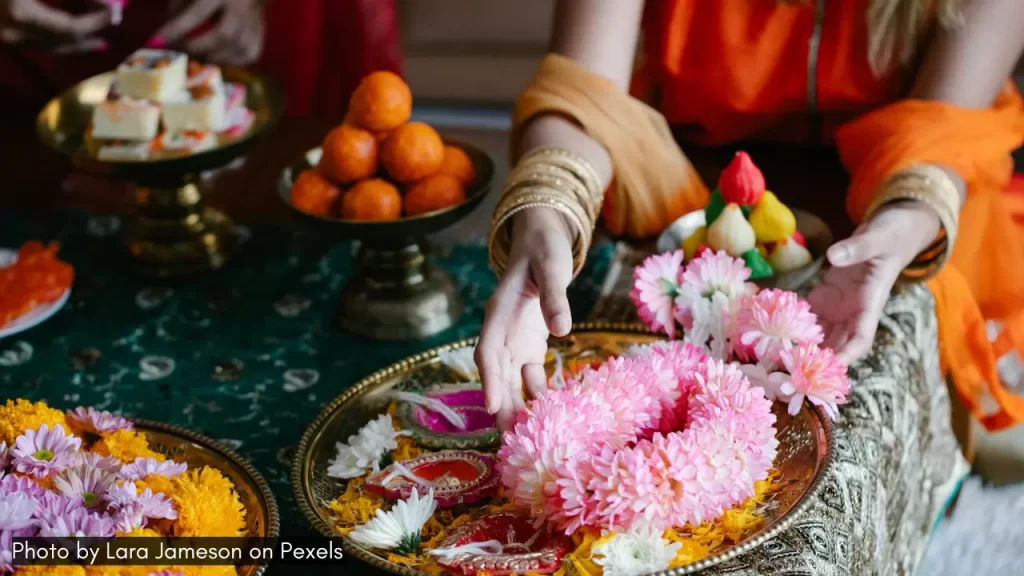
Navratri doesn’t require an elaborate altar or a house full of decorations. Sometimes, a small, peaceful corner is all you need to bring the festival into your home. Choose a clean space for your pooja and give it a little festive character with an image or idol of Goddess Durga, fresh flowers, a diya and your usual offerings.
If you already have a pooja space, there’s no need to create another one just for Navratri. A fresh cloth, a few flowers or some seasonal decoration can be enough to make it feel different from the rest of the year. You could also make the daily pooja a family ritual, with different members taking turns to light the diya or prepare the offerings.
The beauty of celebrating Navratri at home is that it doesn’t have to be elaborate to feel meaningful. What matters is creating a little space where you can slow down, pray and take a few quiet moments for yourself each day.
Give Each Night Its Own Theme
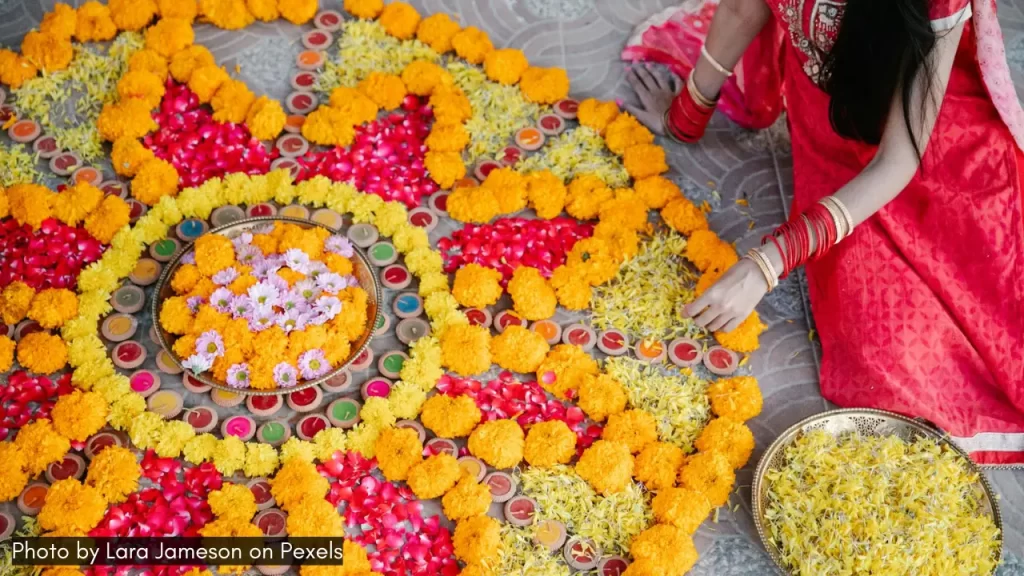
One of the lovely things about Navratri is that you have nine nights to celebrate, so why treat every evening exactly the same? Give each night a small theme and let it become your own way of experiencing the festival at home.
One evening could be devoted to prayer, another to cooking a traditional dish, and another to dressing up in the day’s Navratri colour. You could spend an evening learning about the stories associated with Goddess Durga, make rangoli with your family, or simply put on some music and enjoy a little Garba at home.
The themes don’t have to be elaborate, either. Think of them as small reasons to look forward to each evening. By the time the ninth night arrives, you may find that you’ve created nine different memories without ever needing to leave home.
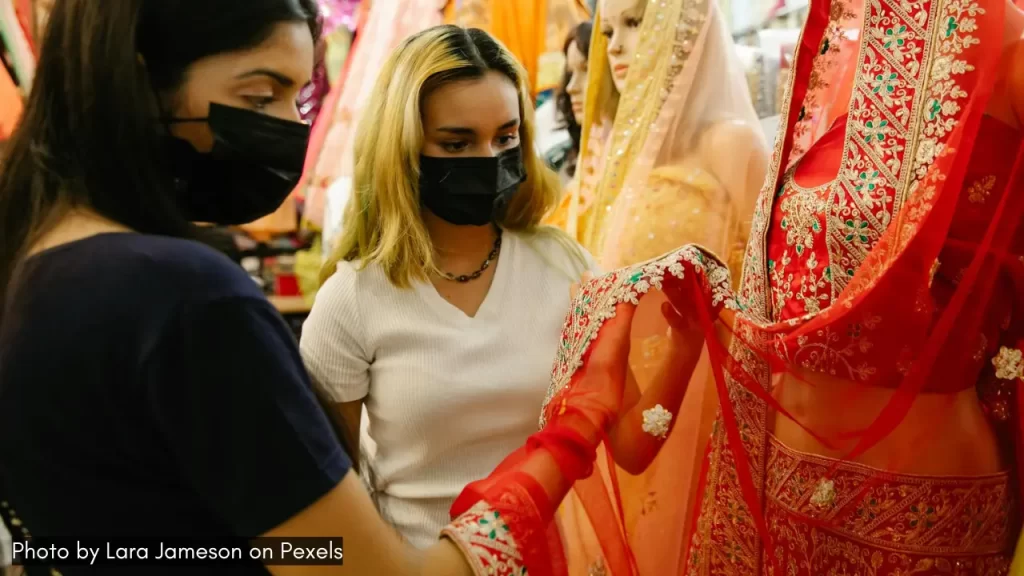
Navratri is a wonderful excuse to bring a little more colour into your wardrobe. If you enjoy dressing for the festival, choose an outfit in the traditional colour associated with each day, whether that’s a colourful kurta, a saree, a lehenga or simply a bright dupatta that adds a festive touch to what you already own.
You don’t need nine new outfits, of course. Mix and match pieces from your wardrobe, repeat favourites or add a new accessory to change the look each evening. You could even make choosing the next day’s colour part of your Navratri ritual.
And if you’re in Mumbai and feel like doing a little festive shopping, you can turn it into part of the celebration. Browse the city’s traditional markets for colourful clothes, jewellery and accessories, or explore our guide to the Best Shopping Markets in Mumbai for ideas on where to begin.
The point isn’t to dress extravagantly every night. Sometimes, a little colour is all it takes to make an ordinary evening feel a little more festive.
Cook Something Special
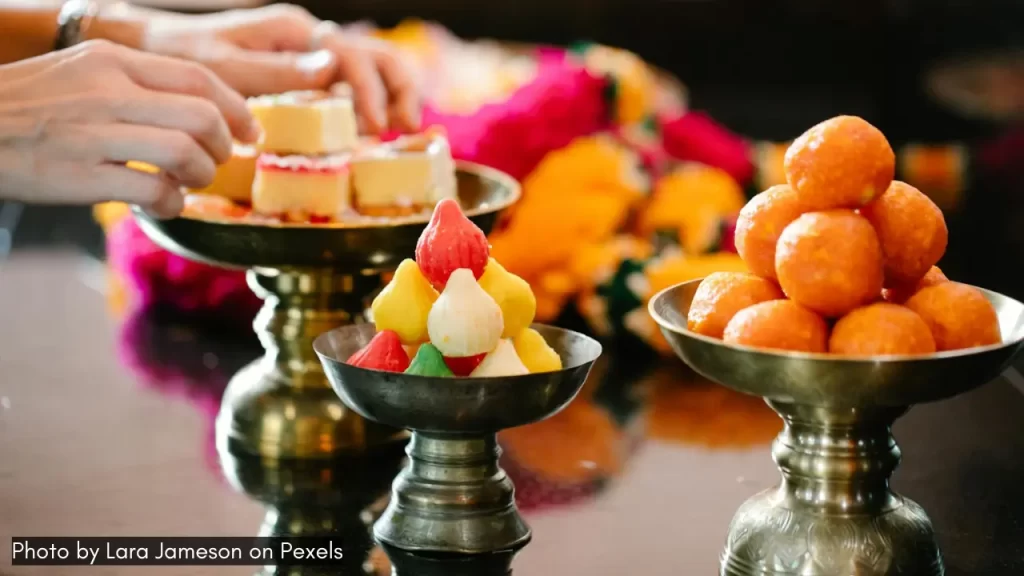
Food has a way of making a festival feel like a festival, and Navratri gives you nine evenings to experiment with something a little different. If you observe fasting during Navratri, try preparing a new vrat-friendly dish instead of reaching for the same familiar meal every day.
Sabudana khichdi, kuttu puri, samak rice or a simple fruit-based dessert can all bring a festive touch to the dinner table.
If you don’t fast, there’s no reason to limit yourself to fasting foods. Pick a traditional recipe you’ve never tried, recreate a favourite from your childhood or make something that the whole family can enjoy together.
You could even give each of the nine nights a different food theme. Keep one evening simple, try a new recipe on another, and save your family’s favourite dish for one of the later nights. After all, celebrating at home is as much about the memories you create around the table as it is about the food itself.
Create a Festive Corner at Home
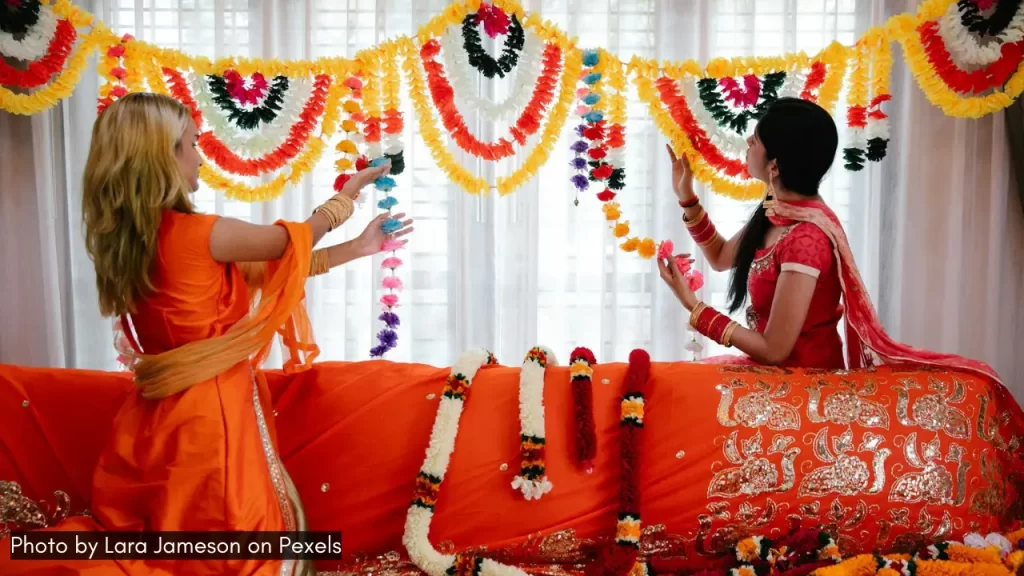
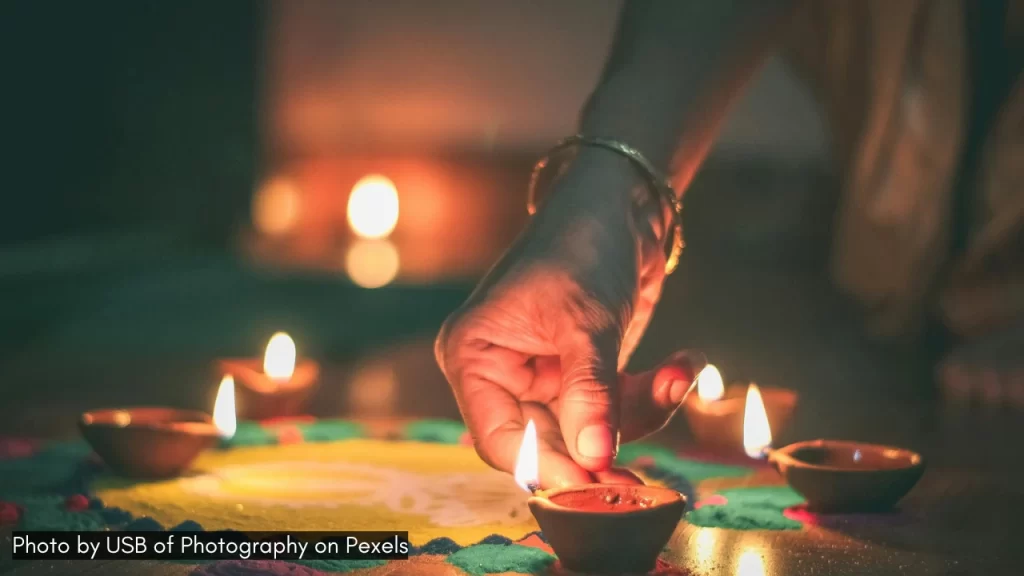
You don’t have to decorate every room to make your home feel festive. Pick one corner and turn it into your little Navratri space. A rangoli at the entrance, a string of flowers, a few diyas or some colourful fabric can make even a small area feel ready for the celebrations.
This is also a lovely opportunity to get creative with things you already have at home. Make a simple rangoli together, reuse decorations from previous festivals or create paper garlands and other easy DIY touches. Let children take charge of a small part of the decoration if they’re joining in — it doesn’t have to be perfect to be fun.
The idea is to create a space that catches your eye each time you walk past it and reminds you that Navratri is underway. Sometimes, one cheerful corner is all it takes to change the mood of a home.
Have a Dandiya or Garba Night at Home
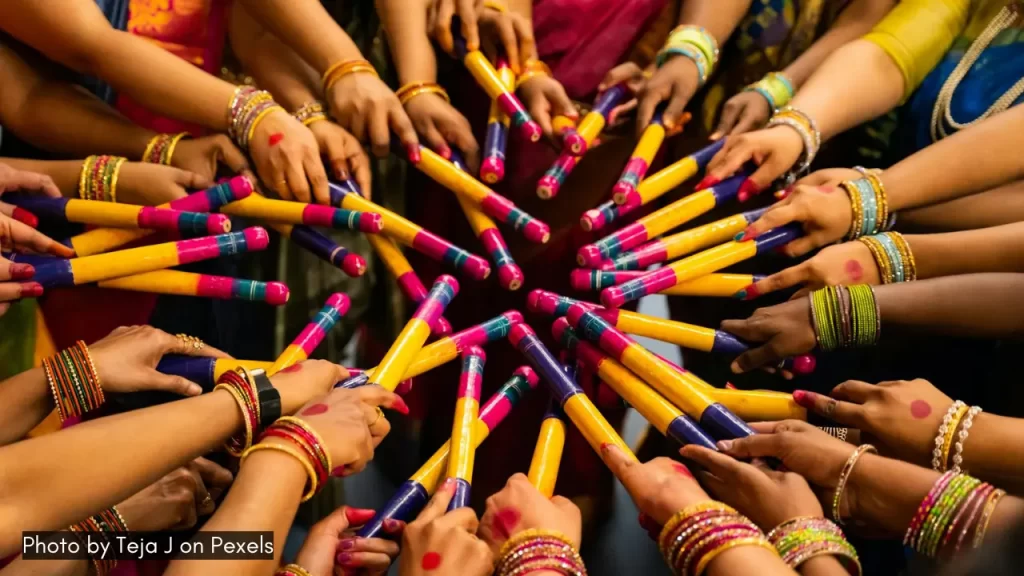
You don’t need a large venue or a crowded dance floor to enjoy Dandiya or Garba during Navratri. Clear a little space in your living room, put on your favourite dance songs and let the evening take its own course.
Even if you’re not an experienced dancer, that’s part of the fun — follow the rhythm, learn a few steps and don’t worry about getting them perfect.
Make it a family affair, invite a few friends over or simply enjoy an evening of music with the people you live with. You could even dress up in your Navratri colours, prepare some festive snacks and turn the evening into a small celebration of its own.
And if you have children at home, let them choose a few songs or teach everyone a simple Garba step. The goal isn’t to recreate a professional Garba night in your living room. It’s simply to bring some of the music, movement and joy of Navratri into your home.
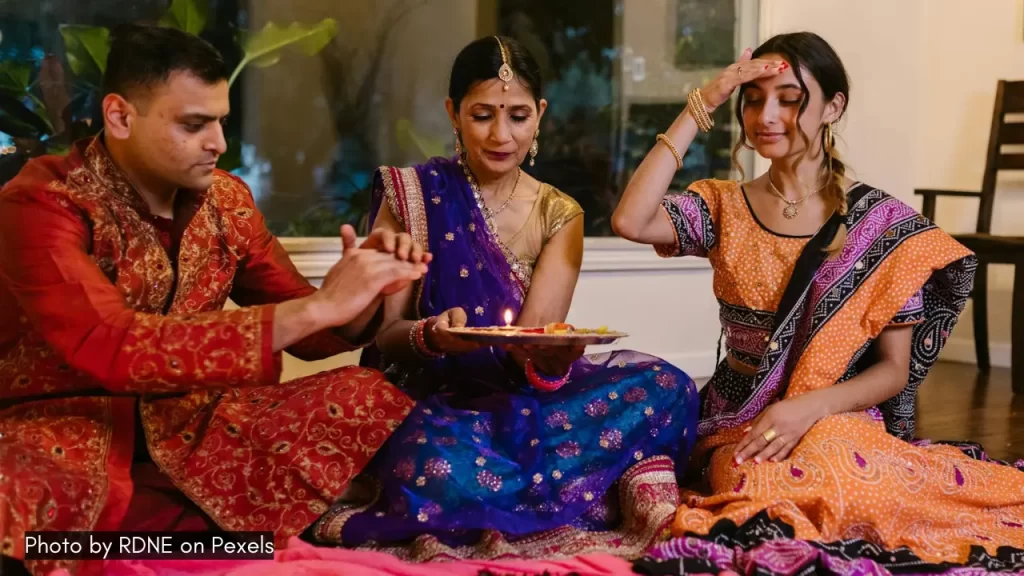
Navratri becomes even more meaningful when you know a little about the stories and traditions behind it. Set aside one evening to learn about Goddess Durga and the different forms of the Goddess worshipped during the nine nights.
You could read about the stories behind each form, or listen to an elder in your family share what Navratri meant in their home growing up.
This can also be a lovely way to introduce children to the festival. Instead of simply telling them what to do, share the stories behind the prayers, colours and traditions they see during Navratri. You could even choose one story to explore together each evening.
There isn’t a single way to experience Navratri, and traditions vary across India and from one family to another. Taking a little time to understand your own traditions — and discovering how others celebrate the festival — can add another layer of meaning to the nine nights.
Celebrate with Family, Friends and Neighbours
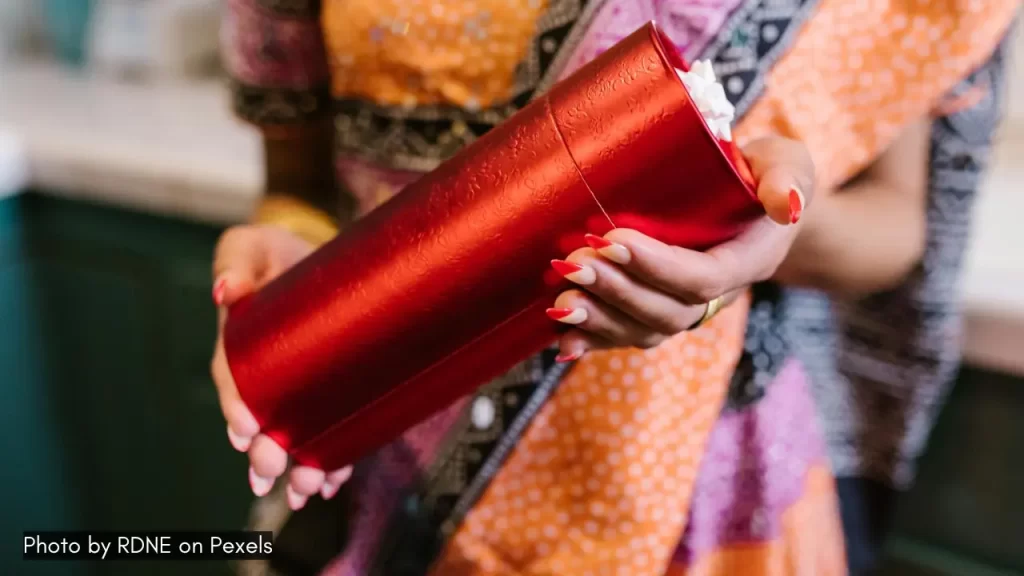
Navratri doesn’t have to be a celebration you keep within your own four walls. One of the nicest ways to make the festival feel special is to share a little of it with the people around you. Invite family or a few friends over for an evening of food, music and conversation, or simply get together for a small pooja and some festive snacks.
If you live in an apartment or housing society, you could also include your neighbours. Join a community Navratri celebration if your society organizes one, or get a few neighbours together for a simple evening of Garba, snacks or a shared meal. It doesn’t have to be a large event — sometimes a small gathering is more enjoyable.
And if you’re celebrating at home, even something as simple as sharing a homemade dish or inviting someone over for tea can bring a little more warmth to the festival. After all, Navratri is not only about how you celebrate, but also about the people you choose to celebrate it with.
After nine nights of prayers, colours, food, music and time spent together, give yourself a little space to slow down. The final day of Navratri can be a good time to reflect on the festival and think about the moments that meant the most to you.
Maybe you discovered a new family tradition, cooked something you had never tried before, or simply enjoyed having everyone together a little more than usual.
You could write down a few things you’re grateful for, spend some quiet time in prayer or simply enjoy the feeling of having completed the nine-day celebration.
You don’t have to make the final evening elaborate. Sometimes, ending Navratri quietly and carrying a little of that sense of gratitude into the days ahead is the most meaningful way to celebrate.
Celebrating Navratri at home doesn’t have to mean missing out on the fun of the festival. You can make the nine nights as simple or as festive as you like, whether that means spending a little more time in prayer, cooking a favourite dish, dressing up, dancing in your living room or simply enjoying an evening with the people you love.
The best part is that you don’t need a big budget or a packed schedule to make Navratri feel special. Sometimes, creating your own traditions at home can be just as memorable as heading out for a grand celebration.
So this Navratri, celebrate it in a way that works for you — and enjoy the festival at your own pace.

10 comments
Great article.
amazing work
Your blog posting is so amazing and informative. Great information really helpful for me. We are very thankful for share this informative post.
thanks for sharing a beautiful blog
Thanks For Sharing .. Jai Mata Di
Nice ideas to celebrate Navratri
I am always impressed by the color in these celebrations.
India is all about grand celebrations and colours, Dan. Thank you for commenting and visiting the post. 🙂
This is a fascinating post. Navratri sounds like a wonderful holiday. I hope you and Sarah enjoyed it. Recently I saw several pictures of Rangoli designs. They fascinate me. It really is a terrific post. Hugs.
Yes, we enjoy it in our small ways, Teagan. Rangoli designs look beautiful but creating one free-hand can hurt your back because you will be leaning for many minutes, sometimes hours. I’ve done it at my sister’s place and it was rewarding but painful as well. Thank you for visiting and commenting on the post. Hugs.