Lohagad Fort Trek is one of the easiest and most rewarding treks near Lonavala, making it an excellent choice for beginners, families, and weekend travellers.
With scenic stone pathways, historic gateways, sweeping views of Pawna Lake, and the iconic Vinchu Kata, it delivers a perfect mix of nature, history, and light adventure without requiring advanced trekking experience.
Sarah and I completed this trek after visiting Bhaja Caves earlier the same day, which gave us a clear, first-hand understanding of everything—from reaching Lohagadwadi and climbing the fort to exploring the summit and planning the day efficiently.
We started our day early from Bhaja Caves and reached Lohagad Fort by late morning, which made us realise how timing plays a big role in avoiding crowds and heat, especially during monsoon weekends.
Along the way, we also picked up a few lessons that would have made our own experience smoother—insights we’re sharing so you can plan better.
In this guide, you’ll learn how to reach Lohagad Fort, what to expect during the climb, the best time to visit, entry fees and timings, and practical tips to help you plan a smooth day in the Sahyadris.
Lohagad Fort Trek at a Glance
Lohagad Fort Trek is a beginner-friendly monsoon hike near Lonavala in the Sahyadris and one of the most accessible forts in Maharashtra. The trek begins from Lohagadwadi, a small base village at the foothills.
- Difficulty: Easy
- Duration: ~45–60 minutes from Lohagadwadi to the fort
- Best Season: Monsoon and post-monsoon (Jun–Nov)
- Starting Point: Lohagadwadi village (near Malavli)
- Height: ~1,033 m (3,400 ft approx.)
- Ideal For: Beginners, families, weekend travellers
The trail is short but scenic, with stone steps, greenery, and historic gates leading to wide valley views of the Sahyadris.
Entry Fee and Timings
- Opening Hours: 9:00 AM to 5:00 PM
- Entry Fee (Indian Citizens): ₹25 per person
- Entry Fee (Foreign Nationals): ₹300 per person
These charges were displayed at the Lohagad Fort entry point during our visit. Since government fees can change over time, it’s always best to confirm locally before your trip.

Who Should (and Shouldn’t) Trek Lohagad Fort
Lohagad Fort Trek is best suited for travellers looking for a short, scenic, and low-effort hike near Lonavala that still delivers strong views and a historic fort experience.
👍 You should do this trek if you:
- Are a beginner planning your first fort trek near Lonavala
- Want a half-day outdoor activity from Mumbai or Pune
- Enjoy monsoon landscapes, greenery, and easy stone-step trails
- Are travelling with family or friends and prefer a relaxed pace
- Want scenic views and a rewarding experience without a technical climb
👎 You may want to reconsider if you:
- Expect a steep, challenging, or adrenaline-heavy trek
- Prefer completely isolated trails with very few visitors
- Are visiting on peak monsoon weekends and dislike crowded popular spots
Lohagad is not a difficult trek. Its appeal lies in its accessibility, open views, and the experience of reaching a historic fort without a demanding climb
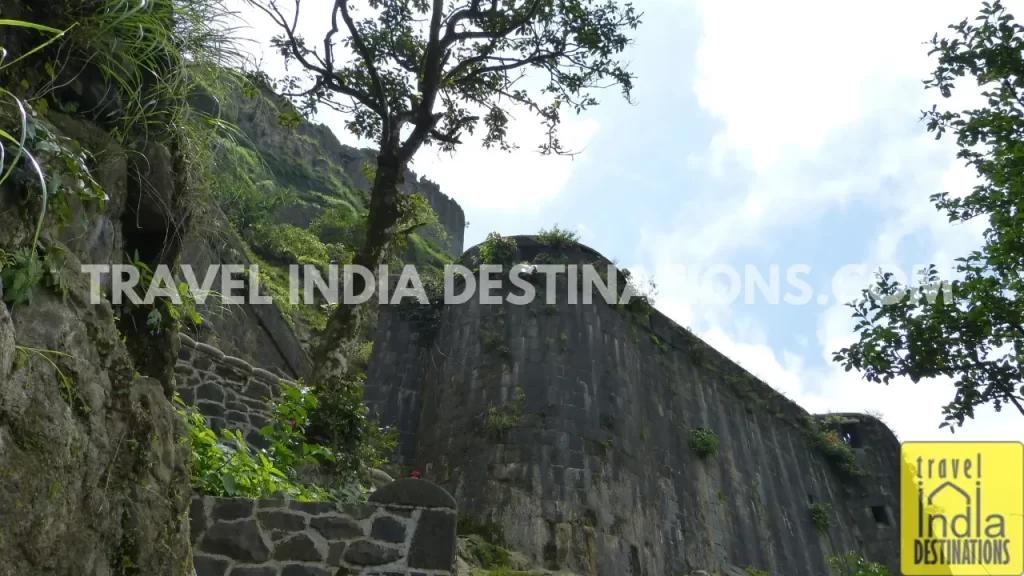
How to Reach Lohagadwadi (Base Village)
Reaching Lohagadwadi, the base village for the Lohagad Fort Trek, is simple whether you’re travelling by car or train. Most visitors either drive directly to the village or take a train to Malavli Railway Station before continuing by auto-rickshaw or on foot.
By Car
Driving is the easiest way to reach Lohagadwadi. From Lonavala, the journey takes around 25–30 minutes. Simply enter “Lohagad Entry Steps“ in Google Maps, and it will guide you directly to the parking area near the start of the trek.
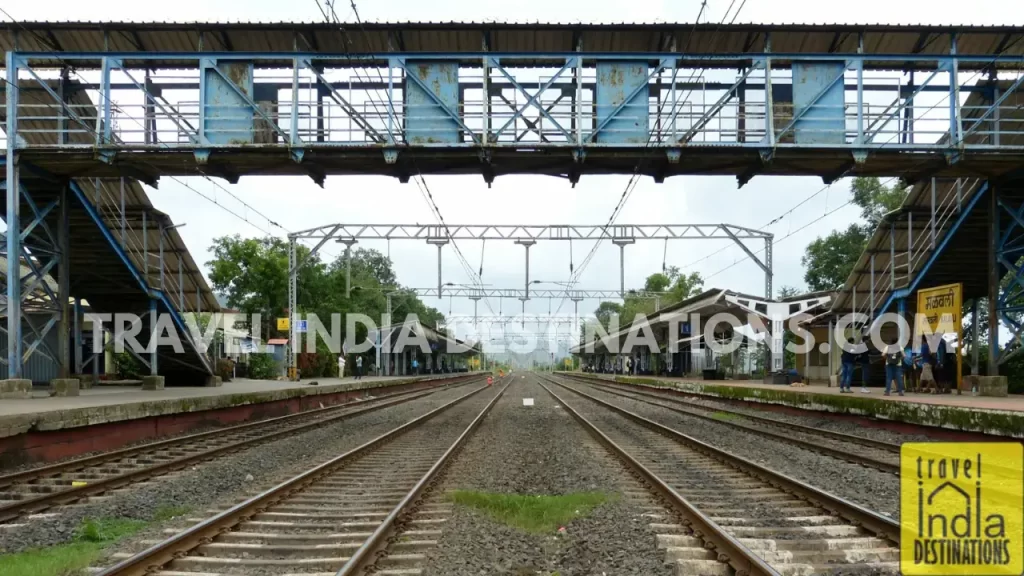
By Train
Travelling by train is one of the most convenient ways to do the Lohagad Fort Trek from Mumbai or Pune. Get off at Malavli Railway Station, the closest station to Lohagad Fort, and continue to Lohagadwadi by auto-rickshaw or on foot.
One thing we underestimated was the crowd at Malavli station during monsoon weekends. Even a short wait for an auto can easily stretch your travel time by 20–30 minutes.
From Mumbai
Board any Mumbai–Pune express train and get down at Lonavala. From there, purchase a local train ticket and take the next Lonavala–Pune local train, getting off at the very next station — Malavli.
Recommended Train Route (from Mumbai)
If you’re travelling from Mumbai, the 22105 Indrayani Express is a convenient option, departing CSMT at 5:40 AM and reaching Lonavala at 7:58 AM. This allows enough time to catch the 8:20 AM Lonavala–Pune local towards Malavli.
On our visit, we took the 12127 Mumbai–Pune Intercity Express, which departs CSMT at 6:40 AM and reaches Lonavala at 8:48 AM. The extra time allowed us to enjoy a relaxed breakfast at Lonavala station before catching the 10:05 AM Shivajinagar local, arriving at Malavli at 10:11 AM.
From Pune
If you’re travelling from Pune, take a local train towards Lonavala and get down at Malavli Railway Station.
One convenient option is the 9:57 AM Pune–Lonavala local, which reaches Malavli at 11:02 AM.
If you prefer an earlier start, board the 11010 Sinhagad Express, departing Pune Junction at 6:05 AM and reaching Lonavala at 7:13 AM. This gives you enough time to purchase your local train ticket, enjoy breakfast, and catch the 8:20 AM Lonavala–Pune local, arriving at Malavli at 8:26 AM.
From Malavli Station to Lohagadwadi
Once you arrive at Malavli Railway Station, you have two options.
You can hire an auto-rickshaw that will take you directly to Lohagadwadi, or walk the 5.6-kilometre route to the base village if you enjoy a longer approach.
If you choose to walk from Malavli instead of taking an auto, expect a longer approach to Lohagadwadi before the actual trek begins. The full walking journey from the station to the fort area can take around three hours.
Lohagadwadi – Base Village Experience
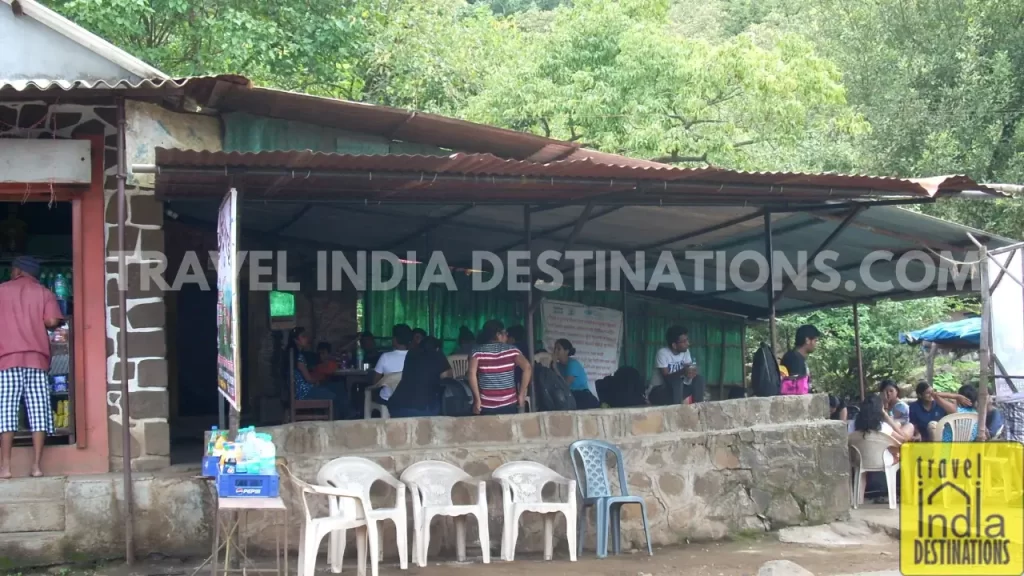
Before the climb begins, you’ll arrive at Lohagadwadi, a small village that serves as the starting point for the trek. Food stalls here sell poha, vada pav, bhutta (corn on the cob), chai, and cold drinks, making it the perfect place to grab a quick meal before the ascent.
The village also has basic toilet facilities, which many trekkers—especially families and female travellers—find useful before starting the climb.
One thing we really liked about Lohagadwadi was its atmosphere. Some people were just beginning their trek, while others were returning after reaching the summit, sharing stories and catching their breath.
It creates a friendly, welcoming vibe before you head towards the stone steps leading up to Lohagad Fort.
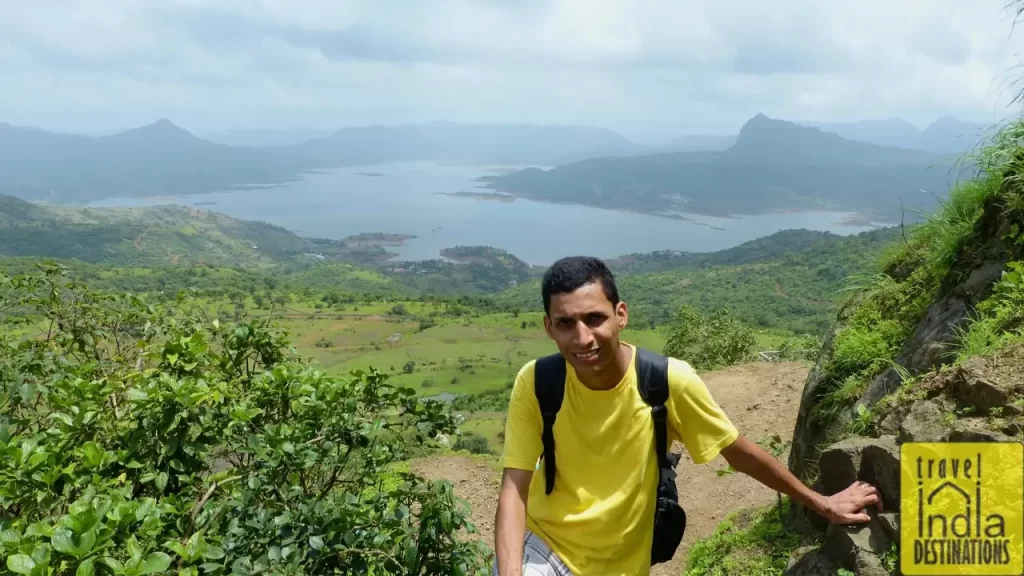
The Trek to Lohagad Fort: Step-by-Step Experience
The climb from Lohagadwadi to the summit is beginner-friendly, but don’t mistake it for a leisurely walk. During the monsoon, the trail becomes slippery as moss covers the stone steps and the ground remains wet. A good pair of shoes and a steady pace are all you need to enjoy the trek safely.
The Climb Begins
The trail gradually gains elevation through a series of stone steps and scenic viewpoints. While the climb isn’t particularly difficult, you’ll naturally find yourself stopping every now and then—not because you’re exhausted, but because the surrounding landscape deserves your attention.
Even though the trail is considered beginner-friendly, the stone steps become noticeably slippery in sections where water flows during monsoon, so we naturally slowed down more than expected on the steeper patches.
As you climb higher, panoramic views of the Sahyadris begin to unfold.
During our visit, the weather stayed clear enough to reward us with sweeping views of Pawna Lake and the surrounding valleys. On mistier monsoon days, these views may appear and disappear within minutes, making every glimpse feel special.
If you’re carrying a camera, don’t rush to the top. Some of the best photographs can be captured along the climb itself.
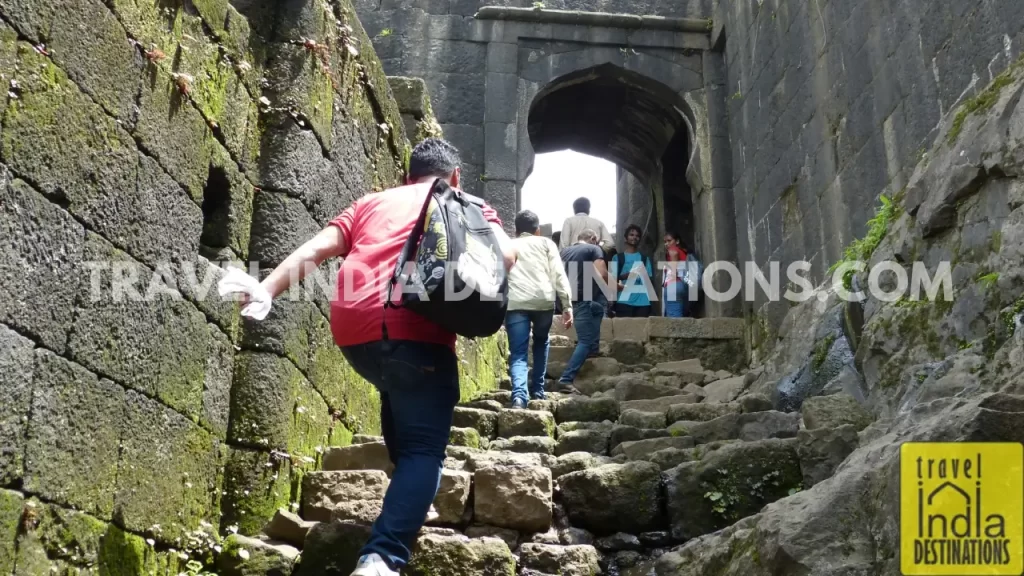
Passing Through the Four Historic Gates
One of the most memorable parts of the Lohagad Fort Trek is walking through its four historic gateways — Ganesh Darwaza, Narayan Darwaza, Hanuman Darwaza, and Maha Darwaza.
These gates once formed part of the fort’s defensive system, but today they quietly mark your progress towards the summit. Each gateway brings you a little closer to the top while offering a chance to pause, catch your breath, and admire the impressive stone architecture that has stood here for centuries.
During the monsoon, the surrounding greenery adds even more character to these gateways, making them one of the most photogenic sections of the entire trek.
Each gate stands at a different level and was built as part of the fort’s defensive structure. The climb through these arched gateways gets steeper near the top, but the views — and the sense of history — make it worth every step.
If you’re into photography, these gates frame some stunning shots, especially during the monsoon when they’re draped in green.

Exploring the Summit
The summit of Lohagad Fort opens into a wide plateau, giving you plenty of space to explore at your own pace. Unlike many hill forts where viewpoints are crowded into a small area, Lohagad encourages you to wander around and discover its different corners.
From the top, you’ll enjoy sweeping views of Pawna Lake, the neighbouring Visapur Fort, and the surrounding Sahyadri ranges. As you explore further, you’ll also come across an old dargah, ancient water tanks, and scattered remnants that quietly reflect the fort’s long history without taking attention away from the experience itself.
We noticed that crowd density increased significantly after 11 AM, especially near Vinchu Kata, where people often wait for photos during peak monsoon season.
Take your time here. The summit is less a viewpoint and more an open plateau where the fort’s scale becomes fully visible.
On one side, you’ll see the calm expanse of Pawna Lake shimmering in the distance, while on the other, the mighty silhouette of Visapur Fort rises through the mist. As you explore the fort, you will come across an old dargah (tomb), ancient water wells and various artefacts that whisper stories from the past.
Take your time to soak in the natural beauty and landscape you see around and make the most of your hiking day.
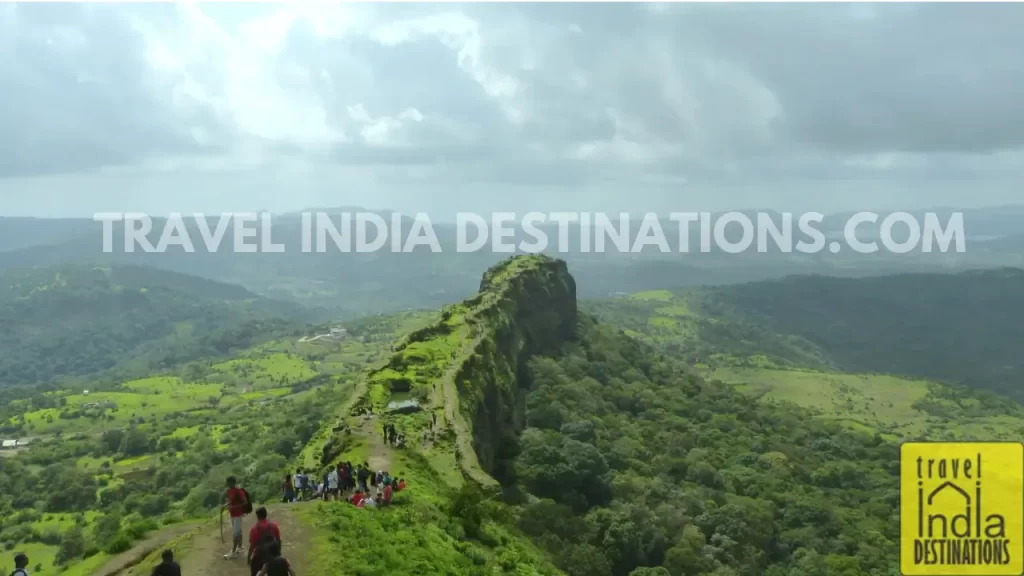
Walk to Vinchu Kata
Before heading back, make sure you visit Vinchu Kata, the most iconic viewpoint on Lohagad Fort.
Named after its resemblance to a scorpion’s tail, this narrow fortified ridge stretches dramatically from the western side of the fort and offers one of Lohagad’s most recognisable views. Whether you choose to walk along the ridge or admire it from above, it’s a place you’ll almost certainly remember long after your trek ends.
By the time we reached Vinchu Kata, we’d already walked all the way from Bhaja Caves earlier that day. It was the perfect place to sit down, catch our breath, and look back at everything we’d experienced before beginning the descent.
It is also the most photographed part of Lohagad Fort and often the highlight of the entire trek. This is true especially during monsoon when the ridge appears surrounded by layers of green valleys.

Things We Learned on the Lohagad Fort Trek
You don’t need special training for the Lohagad Fort Trek, but a few simple preparations can significantly improve your experience. Looking back at our day, these are the small things we’d do differently—and the tips we’d happily pass on to anyone planning their first visit.
- Start Early: Begin before 9 AM, especially if you’re combining Lohagad Fort with Bhaja Caves. The cooler temperatures make the climb far more comfortable.
- Wear Shoes with Good Grip: The stone steps become slippery during the monsoon. Hence, proper footwear makes the climb much safer and easier.
- Carry Water and Sunscreen: Carry water and sunscreen, especially for a monsoon Lohagad Fort Trek, as you’ll still spend hours outdoors.
- Take Your Time: This isn’t a trek to rush. Pause often, enjoy the changing views, and let the experience unfold at its own pace.
- Don’t Take Unnecessary Risks: Avoid standing near exposed edges or attempting stunts for photographs. The best memories don’t require unnecessary risks.
- Be Prepared for the Weather: Monsoon transforms Lohagad into a beautiful green landscape. However, heavy rain can also make the trail more challenging. Check the forecast before you leave and plan accordingly.
These simple Lohagad Fort Trek tips can make a big difference, especially for first-time trekkers.
One of the most unexpected highlights of the trek wasn’t just the fort itself, but the people along the way.
Along the way, hikers happily offered to take photos for complete strangers, exchanged route tips, and celebrated each other’s progress. That shared enthusiasm added just as much to the experience as the views from the summit.

FAQs – Lohagad Fort Trek
Yes. Lohagad Fort Trek is one of the best beginner-friendly treks near Lonavala. The climb mainly consists of stone steps and takes around 45–60 minutes from Lohagadwadi. While the trail becomes slippery during the monsoon, most first-time trekkers can complete it comfortably with good footwear and a steady pace.
From Lohagadwadi, it usually takes 45–60 minutes to reach the summit. If you’re starting from Malavli Railway Station on foot, expect the entire journey to the top to take around three hours, including the walk to the base village.
The best time to visit Lohagad Fort is during the monsoon and post-monsoon months (June to November). This is when the surrounding hills turn lush green and the weather remains pleasant. If you’re visiting during the monsoon, wear shoes with good grip as the stone steps can become slippery.
Malavli Railway Station is the closest railway station to Lohagad Fort. From there, you can either hire an auto-rickshaw to Lohagadwadi. You can also walk approximately 5.6 kilometres to the base village before beginning the trek.
Yes. If you start early, you can comfortably visit both Bhaja Caves and Lohagad Fort in a single day. That’s exactly what we did. We explored Bhaja Caves in the morning before continuing to Lohagad Fort. Starting early helps you avoid the afternoon heat and gives you enough time to enjoy both attractions without rushing.
Yes. If you’re travelling by car, parking is available near Lohagadwadi, close to the starting point of the trek. From there, it’s a short walk to the first stone steps leading towards Lohagad Fort.
Planning more trips across Maharashtra? Join our newsletter for handpicked hotel recommendations, destination guides, travel tips, and exclusive getaway inspiration delivered straight to your inbox.
Final Thoughts
Lohagad Fort Trek is one of those rare hikes that delivers a rewarding experience without demanding much effort. Its easy climb, scenic monsoon landscapes, and beginner-friendly trail make it an ideal choice for families, first-time trekkers, and weekend travellers near Lonavala.
Whether you come for the sweeping views of Pawna Lake, the walk through ancient stone gateways, or the iconic Vinchu Kata ridge, the experience feels both relaxed and memorable.
It is not a trek about endurance — it is a trek about atmosphere, views, and the simple satisfaction of reaching a historic fort with ease.
For us, combining Bhaja Caves with Lohagad Fort in a single day made the experience more complete, but also significantly more tiring than expected.
If you’re planning a trip to Lonavala, Lohagad Fort Trek is easily one of the best places to visit in Lonavala for beginners and families.

15 comments
Thank you for taking us (and your camera) along on this hike. The pictures are beautiful and the description leaves me feeling like I was by your side. Such a beautiful area.
Glad that you felt that way. Mission accomplished.
Simply magnificent Sharukh. This is my very favorite posting of yours to date. I was with you in spirit I know., with the little dragonfly.😉 You all look so beautiful yhere at the summit and what rich cultural history yo be able to share. Of course no battles or wars are full of happiness but still to stand where ancestors stood always brings me a sense of oneness with everything. The landscape is so incredibel. Sarah and you have beautiful, happy smiles there. And now I am lonely for the mountains. Sigh.
Thank you so much for this post. I loved it all!
I’m glad that you felt the place in spirit. I wanted to share the history as well, although the fort was constantly changing hands.
You did a marvelous job. Just enough information really. Love the monkeys! I miss my squirrel monkey friends. Oh but in one of the photos of a wall, what is the writing inscribed on it?
You mean a picture which says Scriptures Carved on a stone?
Sharukh, always an amazing adventure to read your hiking posts. I’m with you every step of the way! Thanks you! Christine
Christine, I’m glad that you enjoyed it reading as much as I enjoyed it writing it down. Overall there are 400 images, these are handpicked ones.
Sounds as if a photo gallery is in order. Maybe a mosaic tile where they are all connected. I love to look at galleries like that. Christine
Will try and work on it.
Great! I’ve done mosaic tile photo galleries for many of my posts. The Welcome Page has lots of sunsets & sunrises from world-wide blogger friends. I just keep adding new ones to the mosaic tile gallery. Check it out for an example.
http://cerobinsonauthor.com
I clicked over from C. E. Robinson’s blog and had a look around. Too much to see in one look, but I viewed this entire post, and thought it was wonderful, especially since everything is quite unfamiliar to me there. When I have more time, I will browse through some more things. Great job!
Thank you for visiting my tiny India travel blog. I’ve tried my best to put up authentic information (not what media shows you on TV about India), so visit as and when you please.
This imformation was amazing and this article you wrote is highly appricating but some of the information is missing in this article lets make it clear for the audiunce who are need the information I have wrote the detail information article on this TOPIC check it out if you like it help me to grow by giving me a backlink.
Thank you for your comment and for taking the time to read my article! I’m glad you found the information helpful. I strive to keep my content concise and focused, and I do appreciate your offer to share links. At this time, I’m selective about external links to maintain quality and relevance, but I’ll keep your article in mind for future updates. Thanks again for reaching out!