There is something magical about travelling in India during the monsoon season. This is when the dry summer landscape transforms into rolling green hills, overflowing waterfalls and mist-covered valleys.
From in-between chai breaks on foggy mountain roads to train journeys through the Western Ghats, monsoon travel in India feels slower, cooler and far more refreshing after months of intense summer heat.
However, travelling during the rainy season also comes with its share of challenges.
Sudden downpours, slippery roads, train delays, waterlogged streets and poor visibility can quickly disrupt your plans if you are not prepared.
Whether you are planning a quick weekend getaway from Mumbai or a long monsoon road trip through the hills, smart planning can make your journey safer and far more enjoyable.
These practical monsoon travel tips will help you choose the right destinations, pack wisely, stay safe on rainy roads and make the most of your monsoon getaway in India.
Choose the Right Destination for Monsoon Travel
Not every destination in India works well during the rainy season.
While some places become lush, romantic and refreshing during monsoon, others can experience flooding, landslides and severe travel disruptions. Choosing the right destination is one of the most important monsoon travel tips if you want a smooth and enjoyable getaway.
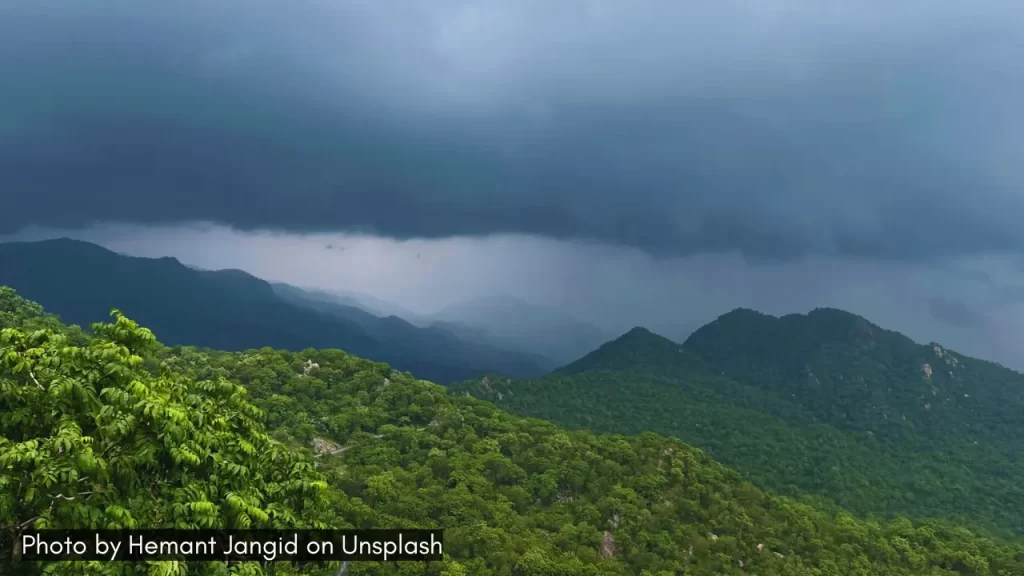
If you enjoy dramatic monsoon landscapes, destinations like Lonavala, Mahabaleshwar, Munnar and Coorg can be excellent rainy season getaways.
During peak monsoon months, various popular hill stations in Maharashtra, Karnataka, and Kerala receive heavy rainfall that transforms the region with overflowing waterfalls, dense fog, flowing streams and lush green valleys.
However, travellers should also be prepared for slippery roads, reduced visibility, traffic congestion and occasional travel delays during intense rain spells.
On the other hand, travellers who prefer relatively dry weather can consider destinations like Ladakh and parts of Rajasthan, where monsoon rainfall is limited compared to the rest of the country.
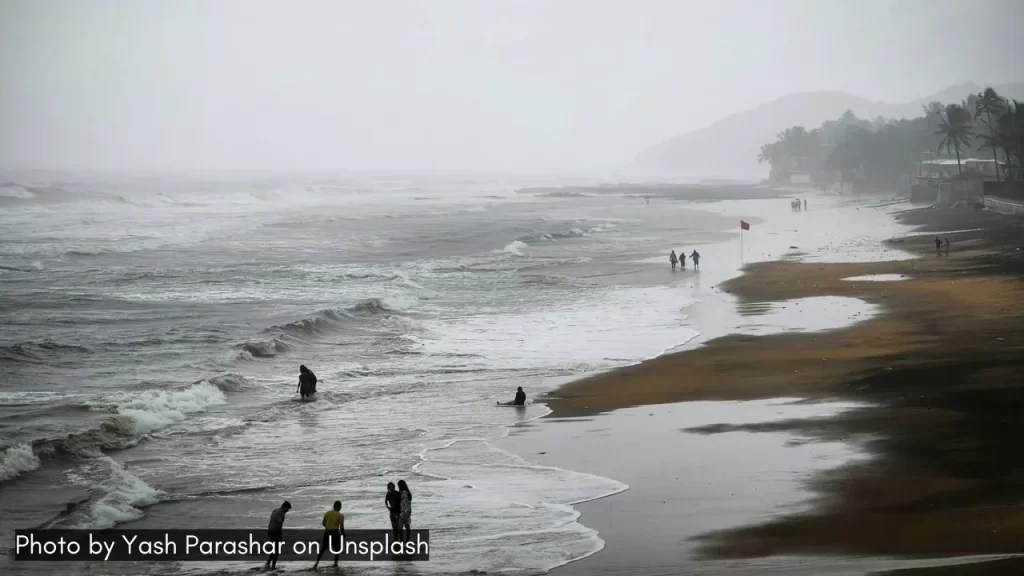
Beach destinations can also work well during light monsoon spells, but rough sea conditions may affect water activities and ferry services. If you prefer beach destinations, you can enjoy these monsoon destinations in Konkan or explore these rain-soaked places in Goa.
It is also wise to choose destinations closer to your city if you are planning a short monsoon getaway. This reduces travel fatigue and gives you more flexibility in case weather conditions change unexpectedly.
Keep Your Itinerary Flexible During Monsoon Travel
One of the biggest mistakes travellers make during the rainy season is planning overly tight schedules.
Monsoon weather in India can change very quickly, especially in hill stations, coastal regions and the Western Ghats. Heavy rainfall, waterlogging, landslides and poor visibility can sometimes delay road journeys, train schedules and even flights.
When planning a monsoon getaway, it is always better to leave some buffer time in your itinerary.
Avoid squeezing too many destinations or activities into a short trip, especially if you are travelling over a weekend. Instead you can pick one of the scenic ghats in Maharashtra perfect for a long monsoon drive.
A slower and more flexible schedule allows you to enjoy the journey instead of constantly worrying about delays and changing weather conditions.
If possible, choose hotels and transportation options with flexible cancellation or rescheduling policies. This can make a huge difference during severe weather conditions when plans may change unexpectedly.
Travellers heading to hill stations like Mahabaleshwar, Munnar or Coorg should also stay updated about local weather alerts and road conditions before departure.
Monsoon travel in India is often at its best when you slow down and adapt to the rhythm of the season. Some of the most memorable moments come from unplanned chai breaks, fog-covered roads and watching the rain transform the landscape around you.
Pack Light but Pack Smart for Monsoon Travel
Packing smart can make a huge difference when travelling during the rainy season in India.
Overpacking can quickly become inconvenient during train journeys, road trips and hotel transfers, especially when you are dealing with wet weather and slippery conditions. At the same time, carrying the right essentials can help you stay comfortable throughout the trip.
Focus on lightweight and quick-drying clothes instead of heavy fabrics that take longer to dry. Carrying an extra pair of socks, a light jacket and comfortable anti-slip footwear can make monsoon travel far more convenient.
If you are visiting hill stations like Lonavala or Mahabaleshwar, where sudden showers are common, keeping a compact raincoat or poncho is often more practical than carrying large umbrellas everywhere.
It is also a good idea to pack a few travel essentials like power banks, ziplock bags, hand towels and waterproof pouches for important documents and electronics.
Monsoon weather can be unpredictable and protecting your phone, wallet, camera and chargers from moisture becomes important during long journeys.
You should also carry basic medications for headaches, indigestion, nausea and seasonal infections, especially if you are travelling with children or senior citizens. A small and thoughtfully packed bag is usually much easier to manage than carrying excessive luggage during rainy travel conditions.
Book Hotels & Transport in Advance
Booking your accommodation and transport in advance is a great way to cut down uncertainty and last moment unavailability issues.
Monsoon may not be considered peak travel season across India, but many popular hill stations and weekend destinations still see a sharp rise in bookings during rainy weekends.
Hill stations like Lonavala, Mahabaleshwar, Munnar and Coorg attract couples, families and road trippers looking to enjoy cooler weather and lush green landscapes. As a result, hotels, resorts and homestays with good views or locations often get booked quickly.
Booking your accommodation in advance gives you better choices, better prices and greater peace of mind during the trip. It also helps you avoid the stress of searching for rooms in heavy rain, especially after long train journeys or road trips. Apart from hotels, you may also want to know how to book the right Airbnb properties to help you find the right accommodation.
If possible, choose properties with flexible cancellation policies during monsoon season, as weather conditions can occasionally affect travel plans. When travelling through ghats in Maharashtra you can choose from these hotels in Maharashtra which are right on the highway.
The same applies to trains, flights and bus tickets. Sudden weekend demand and weather-related delays can make last-minute travel planning difficult.
Train travel remains one of the most scenic ways to experience the monsoon in India, especially on routes passing through the Western Ghats and Konkan region.
However, heavy rainfall can sometimes lead to delays, so it is always wise to keep some buffer time in your itinerary. Knowing these Indian train travel hacks can help you prepare well for your journey.
If you are planning a monsoon road trip, make sure your route is planned in advance and check local traffic or weather updates before starting your journey.
Check Weather Forecasts & Local Alerts Regularly
Safety is a top priority when you’re travelling in monsoon and therefore it is essential to check the current weather conditions and updates.
Weather conditions during the Indian monsoon can change very quickly, especially in hill stations, coastal destinations and mountainous regions. A place that looks calm in the morning can experience heavy rainfall, fog or waterlogging within a few hours.
Before starting your journey, keep an eye on weather apps, local news updates and regional alerts issued for your destination.
If you are travelling through the Western Ghats or other hilly regions, heavy rainfall can sometimes lead to landslides, roadblocks or poor driving visibility. Coastal regions may also experience rough sea conditions and ferry disruptions during intense rain spells.
Travellers planning road trips should especially monitor weather conditions before leaving early in the morning. Continuous rainfall can make highways slippery and increase traffic congestion near popular monsoon destinations.
It is always better to delay your departure slightly than drive through dangerous weather conditions.
Checking local alerts also helps you plan sightseeing activities better. Waterfalls, trekking routes and scenic viewpoints often look their best during monsoon, but safety conditions can change quickly after heavy rain.
Staying informed allows you to enjoy the beauty of the season while avoiding unnecessary risks.
Stay Safe During Monsoon Road Trips
Monsoon road trips in India can be incredibly scenic, especially through the Western Ghats, coastal highways and hill station routes. However, safety should not be compromised.
Mist-covered mountains, overflowing waterfalls and rain-soaked forests can make the journey as memorable as the destination itself. However, driving during heavy rain also requires extra caution and preparation.
Before starting your trip, check your vehicle properly. Tyres, brakes, headlights and windshield wipers should all be in good condition, especially if you are driving long distances.
Poor visibility, slippery roads and potholes become far more common during monsoon, particularly on ghat roads and rural highways.
Avoid speeding during heavy rainfall, even on familiar routes.
Roads leading to destinations like Lonavala, Mahabaleshwar and Malshej Ghat can become extremely foggy and slippery during peak monsoon weeks. Maintaining a safe braking distance becomes very important around sharp turns and downhill sections.
If you are travelling by bike, carry proper rain gear, waterproof gloves and luggage covers. Wet roads reduce tyre grip significantly, making sudden braking and aggressive cornering risky.
Another common mistake during monsoon road trips is driving through flooded roads without checking the water depth. Even shallow-looking waterlogged stretches can hide potholes or damaged road surfaces underneath. When in doubt, it is always safer to wait or take an alternate route.
Starting early in the morning, taking regular breaks and staying updated about weather conditions can make your monsoon road trip much safer and more enjoyable.
Be Careful About Food & Drinking Water
One of the biggest health concerns during the monsoon in India is contaminated food and water.
Monsoon weather often brings strong cravings for hot chai, pakodas and roadside snacks, especially during long train journeys and rainy road trips. While enjoying local food is part of the travel experience, it is also important to be careful about hygiene during the rainy season.
Heavy rainfall and humidity can increase the risk of waterborne infections and stomach-related illnesses. To stay safe, try to eat freshly cooked hot meals instead of food that has been left exposed for long periods.
Street food can be tempting during monsoon, but it is better to choose clean and crowded stalls where food is prepared fresh in front of you. Avoid eating pre-cut fruits or uncovered items that may have been exposed to rainwater, dust or insects.
Staying hydrated is equally important during rainy travel. Carrying your own water bottle is always helpful, but when buying bottled water, stick to trusted brands and properly sealed bottles.
Travellers using Indian Railways will commonly come across Rail Neer, the bottled water brand supplied at many railway stations across the country.
If you are travelling with children, senior citizens or people with sensitive digestion, carrying light snacks and basic medicines for indigestion or nausea can make the journey more comfortable.
A little caution with food and drinking water can save you from unnecessary health issues during your monsoon getaway.
Protect Your Gadgets & Important Items From Rain
Heavy rainfall and constant moisture during monsoon travel can quickly damage phones, cameras, chargers and important travel documents if they are not protected properly.
A sudden downpour during a road trip, trek or sightseeing session is enough to soak backpacks and electronics within minutes. One of the easiest ways to protect your belongings is by carrying waterproof pouches or simple ziplock bags for your phone, wallet, chargers and important documents.
Backpack rain covers are also extremely useful during monsoon trips, especially if you are travelling through hill stations or using public transport frequently.
If you are carrying a camera, avoid exposing it to continuous rain or mist for long periods. Moisture can sometimes affect camera lenses and electronic components during prolonged rainy conditions.
Keeping a small microfiber cloth in your bag also helps wipe away water droplets and moisture quickly.
Travellers should also avoid keeping power banks, chargers or gadgets loosely inside wet bags or damp clothing. Even during short weekend getaways, keeping your electronics dry can save you from unnecessary inconvenience and expensive repairs later.
For footwear and clothing, quick-drying materials usually work much better during monsoon travel than heavy fabrics that stay wet for hours. Staying dry and protecting your essentials can make your rainy getaway far more comfortable and stress-free.
FAQs About Monsoon Travel in India
Yes, monsoon can be one of the most beautiful times to travel in India, especially if you enjoy lush green landscapes, waterfalls, misty hill stations and cooler weather. However, it is important to plan carefully as heavy rainfall can sometimes affect road conditions, sightseeing plans and transportation schedules.
Popular monsoon destinations in India include Lonavala, Mahabaleshwar, Munnar, Coorg, Udaipur, Goa and Saputara. These places become especially scenic during the rainy season with greener landscapes, flowing waterfalls and pleasant weather.
Yes, monsoon road trips can be safe if you drive carefully and monitor weather conditions regularly. Avoid speeding on wet roads, check your vehicle before long drives and avoid travelling through flooded areas or landslide-prone regions during heavy rainfall.
For monsoon travel, it is best to carry quick-drying clothes, anti-slip footwear, raincoats, waterproof pouches, power banks and essential medications. Packing light but smart can make rainy travel much more convenient.
Using waterproof pouches, ziplock bags and backpack rain covers can help protect your gadgets from rain and moisture. It is also a good idea to keep electronics away from damp clothing and wet surfaces during the trip.
Planning more rainy getaways and road trips in India? Subscribe for practical travel tips, destination guides and seasonal travel inspiration.
Final Thoughts
Travelling during the monsoon season in India can be incredibly rewarding when planned properly.
From mist-covered hill stations and overflowing waterfalls to scenic road trips through the Western Ghats, the rainy season brings out a completely different side of the country that many travellers genuinely enjoy.
At the same time, monsoon travel also demands a little extra preparation and flexibility.
Unpredictable weather, slippery roads and travel delays are all part of the experience during heavy rains. Choosing the right destination, packing smart, monitoring weather updates and travelling safely can make your journey far more comfortable and enjoyable.
Whether you are planning a quick monsoon weekend road trip from Mumbai or a longer journey across India, these practical monsoon travel tips can help you make the most of the rainy season while avoiding common travel mistakes.

4 comments
Great travel advice, Sharukh. I like that you included reminders about keeping things dry. Getting caught in a downpour can cause a lot of very inconvenient problems. Our monsoon season should start soon. Although sometimes we get very little rain even from that weather pattern down in the southern part of the state. LOL, the first time I moved to New Mexico, I thought everyone was playing a joke on me when they talked about “monsoon season.” But it’s true — we do get a monsoon season, often with flooding in many areas. They build arroyos to direct the water in cities and towns, but sometimes that isn’t enough. (An arroyo is defined as a steep-sided gully formed by the action of fast-flowing water in an arid or semi-arid region, found chiefly in the southwestern US. In cities they are paved with concrete.)
Hugs to you and Sarah.
The monsoon season in India begins in June and stays until mid-October. However, lately the weather pattern has been erratic. July is probably the wettest month in India, especially Mumbai. These tips are based on personal experiences and therefore I had to mention to keep things dry. Thank you for your comment and taking out time to read, Teagan. Hugs from Sarah and me.
I do enjoy the rain! Thank you Sharukh for the excellent travel tips.
You’re welcome, Suzette. Thank you for reading the blog post and commenting. 🙂